
"Mexican coffee varieties"
900 article(s) found

Mexican coffee bean varieties what kind of coffee in Mexico is good Mexican black coffee?
Professional coffee knowledge exchange more coffee bean information please follow Coffee Workshop (Wechat official account cafe_style) Garnica is a hybrid of Mundo Novo and Caturra developed in Mexico. This variety was developed by the Mexican Coffee Institute (INMECAFE) in 1960. It is a medium-sized factory with high production, accounting for 5% of the output of the Mexican state of Veracruz. This is in its

Mexican Coffee Flavor description Variety treatment method Baking degree Grinding degree Water washing and Solar introduction
Mexicans are enthusiastic and optimistic, and the chocolates in Mexican coffee perfectly reflect this. There are different methods of Mexican coffee, but the main difference is whether it contains alcohol or not. let's first introduce the practice of non-alcohol. Heat a cup of milk, a teaspoon of cinnamon powder and a teaspoon of vanilla powder in a pot. Keep it at medium temperature. The heat is not too high. The milk must not boil. And then join.

Mexican Coffee Bean Brand Recommended Mexican Coffee Bean Varieties Mexican Coffee Drinking Method
Mixteca Alta del Pacifico is an organic coffee cooperative located in the Mixteca region of Oaxaca, home to the Mixteca and Zapoteca indigenous peoples. The cooperative is headquartered in Santa Maria Yuciti, and its membership includes 172 producers. big

How about Mexican coffee? how many Mexican coffee beans? how about a bag of Mexican coffee?
Professional coffee knowledge exchange more coffee bean information please follow the coffee workshop (Wechat official account cafe_style) Mexican coffee beans Mexico a special coffee production place, the market is also rare in Mexican coffee beans, coffee bean grade distinction and Nicaragua in terms of height of coffee beans are similar, and this one is produced in southern Mexico and the adjacent border of Guatemala

Mexican Coffee Variety-Aldura Coffee
Mexicans are optimistic and enthusiastic, and it can also be seen from their coffee that the mellow Mexican coffee is not only loved by the native people, but also praised by many coffee connoisseurs. There are many ways to taste Mexican coffee, mainly divided into alcoholic and non-alcoholic practices. Non-alcoholic Mexican coffee often goes with milk. Put a cup

Description of Mexican Coffee Flavor with low acidity introduction of Variety treatment method in Grinding scale producing area
Of course, Mexican coffee can not ignore the existence of high-quality coffee, many coffee farms are also constantly improving their own planting, harvesting, and processing technology. I drank this Mexican, ground dry aroma with refreshing herbal and nutty aromas. It has a medium mellow thickness, low acidity, sweet and sour red berries, smooth, clean and mild taste and a long finish. Overall

Description of Mexican coffee bean flavor introduction of Mexican coffee bean varieties
Professional coffee knowledge exchange more coffee bean information Please pay attention to the coffee workshop (Wechat official account cafe_style) located in Mexico at the northern end of Central America, is the world's fourth largest coffee producer, mainly growing coffee beans in Arabica. Due to the influence of geography and weather environment, almost all the well-known Mexican coffee producing areas in the world are in the southeast of the country.

Mexican coffee beans Mexican Blue Mountain Coffee Mexican Coffee Brand
Mexican coffee-growing areas are mainly concentrated in the southeastern highlands, near Guatemala. Most of the mountains in the south are volcanic areas, and the volcanic ash soil is not only conducive to the drainage of coffee roots, but also provides sufficient nutrients for the growth of coffee trees. Most of the coffee varieties planted are Kaddura, Tibica, bourbon, etc., and the treatment methods are mostly water washing treatment, which are classified according to altitude. Coffee beans

Classification of Mexican coffee what are the varieties of fine Mexican coffee beans
Professional coffee knowledge exchange more coffee bean information please follow the coffee workshop (Wechat official account cafe_style) Mexican coffee [grade]: Mexico and Guatemala, Costa rica grade is the same, SHB = Strictly Hard Bean very hard beans GHB = Good Hard Bean hard beans HB = Hard Bean hard beans Paci

Introduction to the characteristics of varieties and flavors in Mexican coffee manor with nutty aftertaste
Mexicans are enthusiastic and optimistic, and the chocolates in Mexican coffee perfectly reflect this. There are different methods of Mexican coffee, but the main difference is whether it contains alcohol or not. let's first introduce the practice of non-alcohol. Heat a cup of milk, a teaspoon of cinnamon powder and a teaspoon of vanilla powder in a pot. Keep it at medium temperature. The heat is not too high. The milk must not boil. And then join.

Fragrant Mexican Coffee Flavor description Grinding degree taste characteristics introduction to baking degree of varieties
Mexicans are enthusiastic and optimistic, and the chocolates in Mexican coffee perfectly reflect this. There are different methods of Mexican coffee, but the main difference is whether it contains alcohol or not. let's first introduce the practice of non-alcohol. Heat a cup of milk, a teaspoon of cinnamon powder and a teaspoon of vanilla powder in a pot. Keep it at medium temperature. The heat is not too high. The milk must not boil. And then join.

Mexican Coffee Brand recommendation _ Mexican Coffee tastes good or not _ introduction of Mexican Coffee beans
Professional coffee knowledge exchange more coffee bean information please follow the coffee workshop (Wechat official account cafe_style) Mexico organic coffee beans Mexico is one of the largest producers of organic certified coffee, because of geographical factors, mostly sold to the United States. The Mexican coffee industry, which began in the 19th century and was introduced through Jamaica, is mainly planted with Arabica varieties, close to the producing area.

Is the organic coffee of Mexican coffee Arabica beans? is Mexican organic coffee good?
Professional coffee knowledge exchange more coffee bean information please follow the coffee workshop (Wechat official account cafe_style) Mexican coffee history introduction: founded in 1885 has a long history of 128 years the fifth generation of ancient Italian families immigrated to Mexico at an altitude of 1000-1200 alpine fine coffee generation inheritance of ancient technology of the soil environment plus
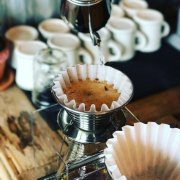
Varieties and flavor of Mexican coffee beans grow Mexican boutique coffee beans
Professional baristas please pay attention to the coffee workshop (Wechat official account cafe_style) Mexico coffee from the world's fourth largest coffee producer, slippery and fragrant Mexico, the fourth largest coffee producer in the world, with an annual output of about 5 million bags. Most of its coffee is produced by nearly 100000 small farmers, and large estates that once manipulated the coffee industry are rare. Mexican coffee per

Description of Mexican Coffee Flavor with smooth taste the characteristics of abrasive varieties in producing areas and the price of fine coffee
Mexican coffee-growing areas are mainly concentrated in the southeastern highlands, near Guatemala. Most of the mountains in the south are volcanic areas, and the volcanic ash soil is not only conducive to the drainage of coffee roots, but also provides sufficient nutrients for the growth of coffee trees. Most of the coffee varieties planted are Kaddura, Tibica, bourbon, etc., and the treatment methods are mostly water washing treatment, which are classified according to altitude. Coffee beans

Introduction of Mexican Coffee varieties Aldura Coffee
Mexicans are enthusiastic and optimistic, and the chocolates in Mexican coffee perfectly reflect this. There are different methods of Mexican coffee, but the main difference is whether it contains alcohol or not. let's first introduce the practice of non-alcohol. Heat a cup of milk, a teaspoon of cinnamon powder and a teaspoon of vanilla powder in a pot. Keep it at medium temperature. The heat is not too high. The milk must not boil. And then join in

Mexican coffee is different from Mexican coffee beans. Mexican coffee beans are more expensive than Mexican coffee.
Professional coffee knowledge exchange more coffee bean information please follow the coffee workshop (Wechat official account cafe_style) due to geographical and climatic reasons, Mexico coffee bean growing area near Guatemala, the production classification belongs to the Central American type. The main producing areas are: Kolabegu, Australia Aluca states, most of the products are washed beans produced in the highlands, with good aroma and
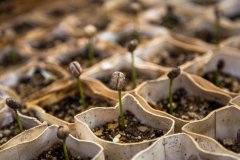
Characteristics of Mexican Coffee beans Flavor characteristics of Mexican Yizoran coffee beans
Although Mexican coffee beans are grown at low latitudes, only less than 40% of coffee beans are grown at high elevations, most of them on flat land, so even though most of the coffee beans are Arabica, commercial beans still account for the majority of production. Note: the distinction of fine coffee lies in the cup score rather than the variety, but most fine coffee is Arabica variety.

Mexican Coffee Organic Coffee Bean Variety Mexican Chiapas Coffee treatment graded Flavor
Professional coffee knowledge exchange more coffee bean information please follow coffee workshop (Wechat official account cafe_style) Mexican Coffee Chiapas Coffee country: Mexico production area: Chiapas Plateau grading: Altura producer: OPCAAC Organic small Farmer production Organization treatment: traditional washing varieties: Kaddura (Caturra) altitude: 900m to 1100 m harvest time

What are the famous producing areas of Mexican coffee? what are the varieties of Mexican coffee?
For more information on coffee beans, please follow the coffee workshop (Wechat official account cafe_style) Coffee cultivation history in Mexico. Spanish settlers were the first people to bring coffee to Mexico in the 18th century, first growing coffee in the fertile highlands of the south. Over the years, production has been dominated by a small number of land tycoons. After the land reform after the revolution of 1920,